


|
|
|
|
by Editor Miro Susta (mirosu)
Edited and published by Yvette Depaepe the 19th of June 2026
Incorporating reflections and mirror images into photography can distort reality,
create surreal illusions and give everyday scenes greater depth.
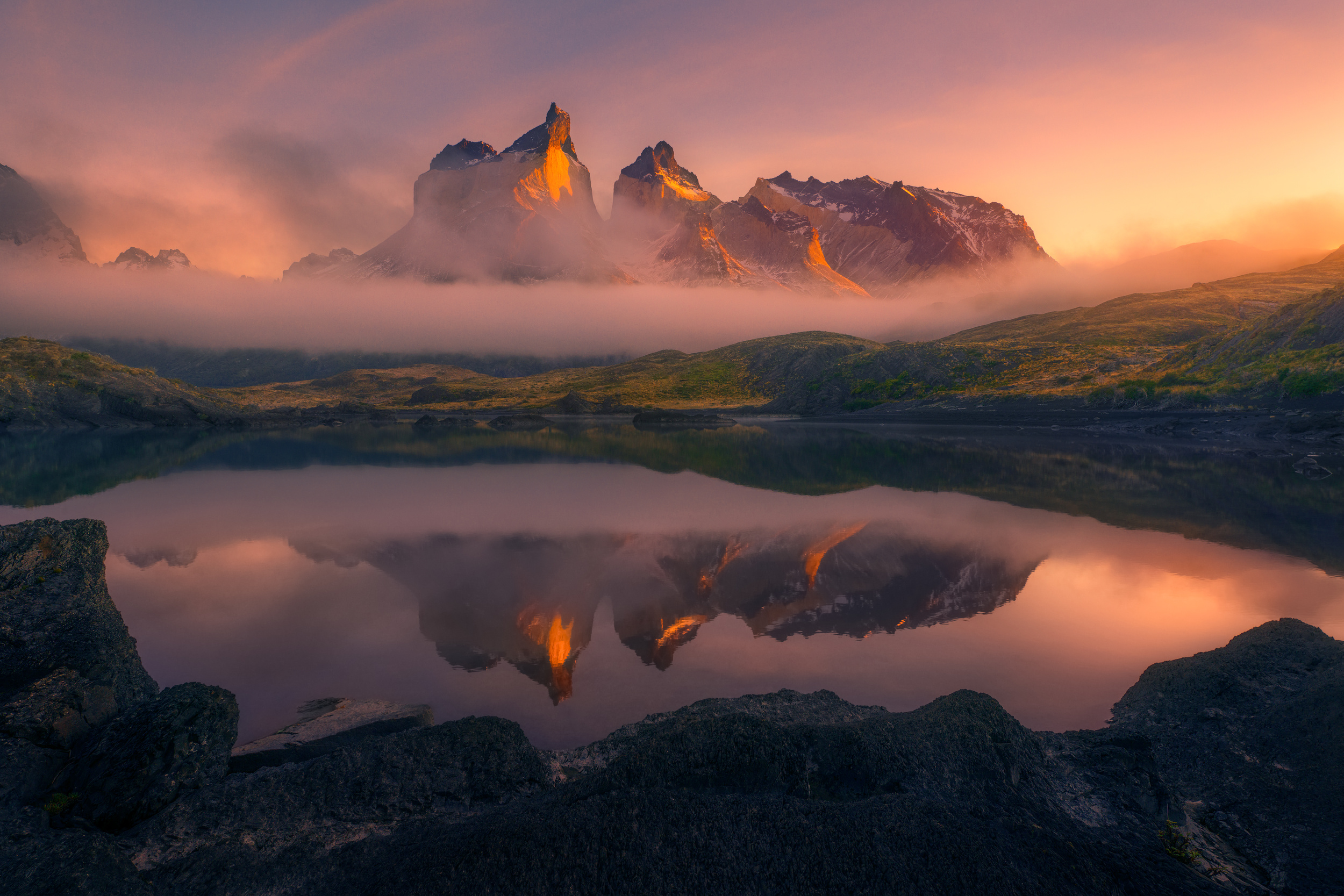
‘Eternity’ by Chris Moore
Reflection photography is a technique that makes use of reflective surfaces. This enables the photographer to frame the main subject alongside the reflective surface. While some photographers focus solely on the reflection, others include the entire subject.
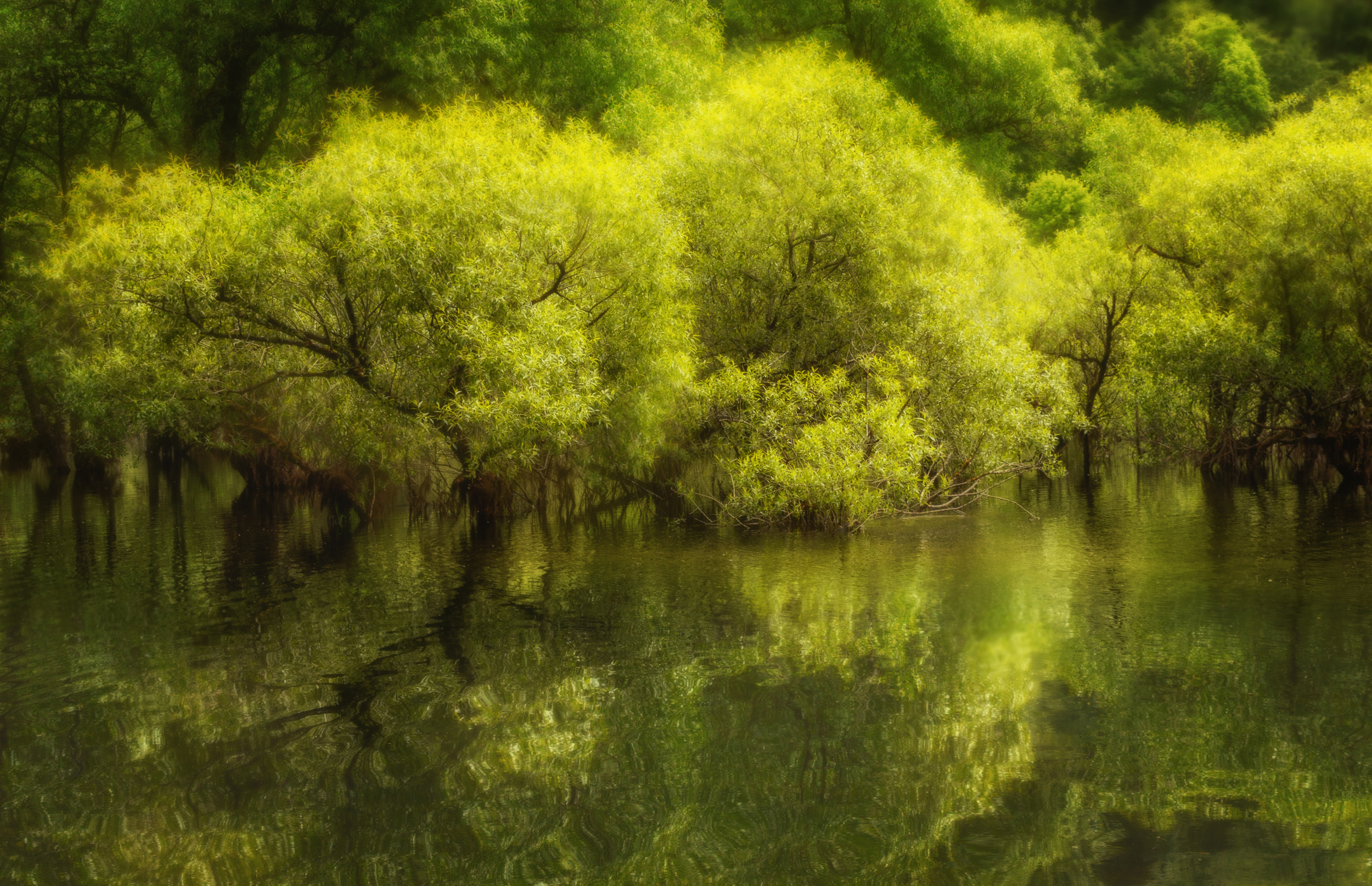
‘Dreaming in green’ by Uschi Hermann
Reflections can make images more exciting and often more abstract. Whether it's water, glass or metal, the right idea can produce surprising and original photos with a camera.
Reflections in images can appear mysterious and produce striking effects. Looking at a reflection is like glimpsing another dimension that reveals our own. Impressive examples can be found in the reflection of snow-capped peaks on the surface of a lake, or in the breathtaking reflections in puddles and on wet streets after rain.
They can also be used to take appealing photos for architectural photography, self-portraits and many other types of photos.
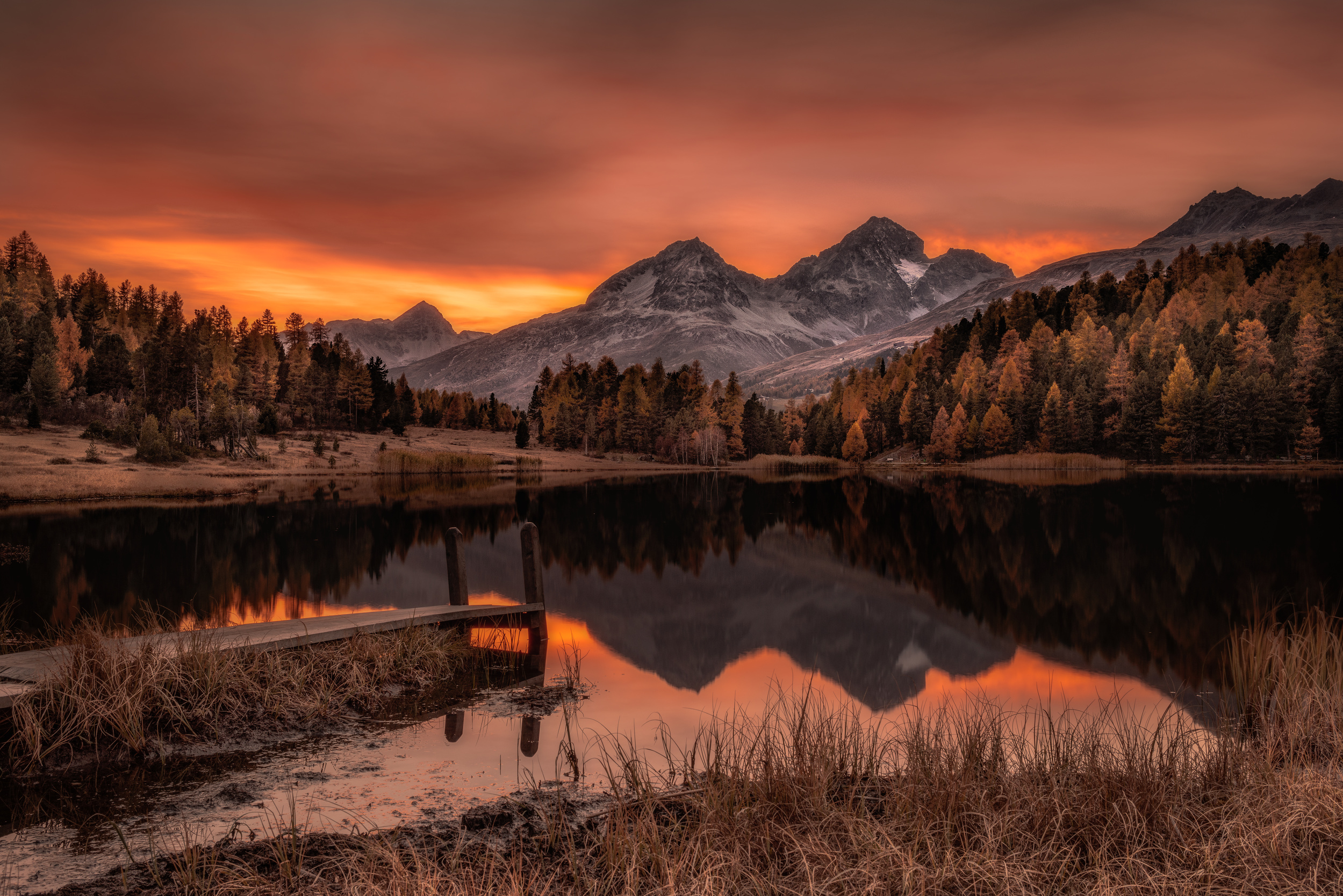
‘Calm’ by Andreas Agazzi
Mirrors are not the only reflective surfaces. To find the best spots for reflective photos, it helps to know which surfaces can reflect the subject creatively.
Water: Puddles, pools, lakes and gently flowing rivers are among the most popular reflective surfaces for photographers. They are ideal for creating a natural aesthetic.
Glass: Windows and glass panes reflect landscapes and other subjects very well.
Polished surfaces: Polished surfaces such as bar tops, tables or even floors can also create artistic reflections. The effect may not be as clear as that of a mirror, but it can be dramatic.
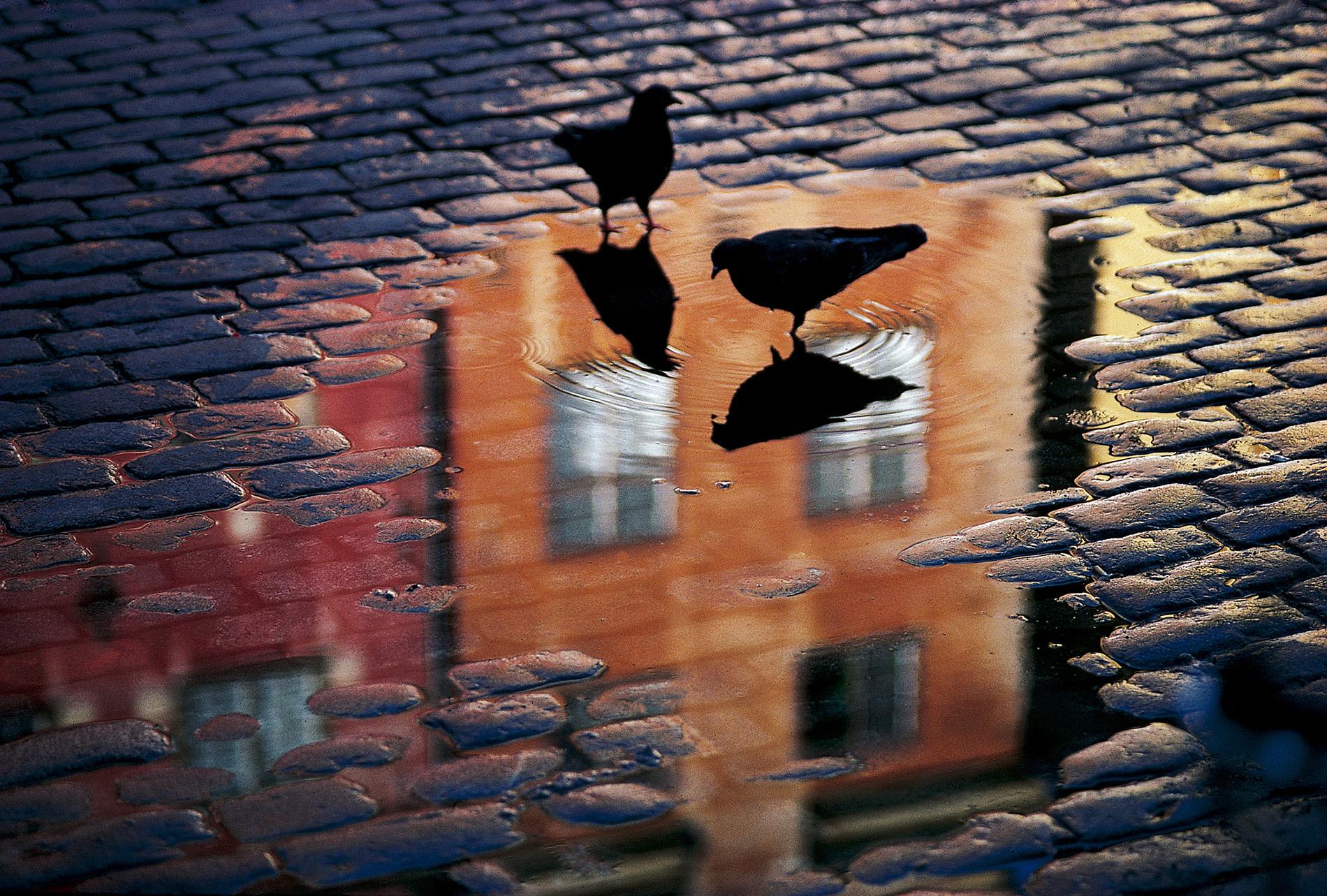
‘Pigeons’ by Allan Wallberg
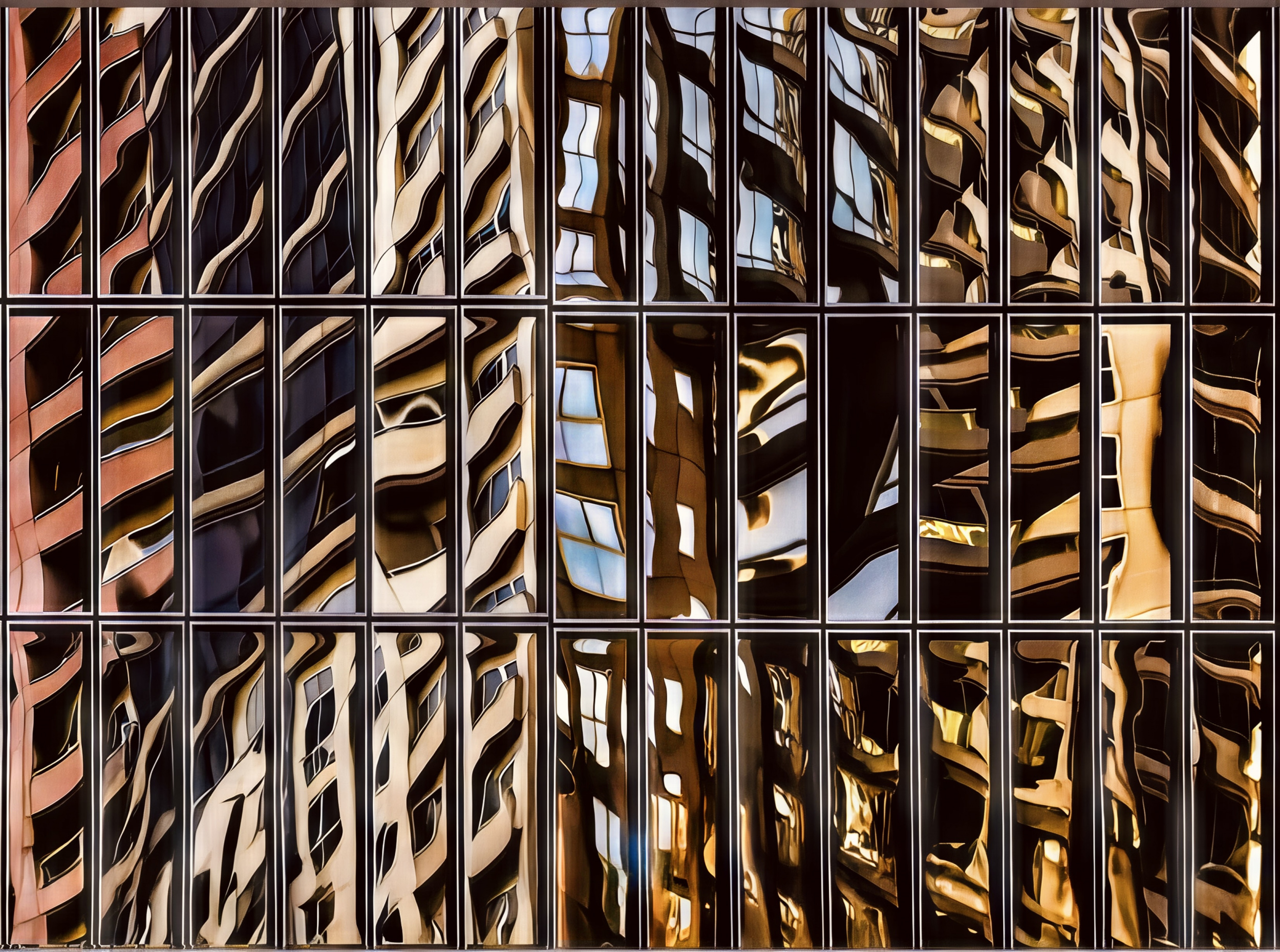
‘Reflections in glass - Los Angeles California’ by Arnon Orbach

‘Historical Reflections’ by Miro Susta
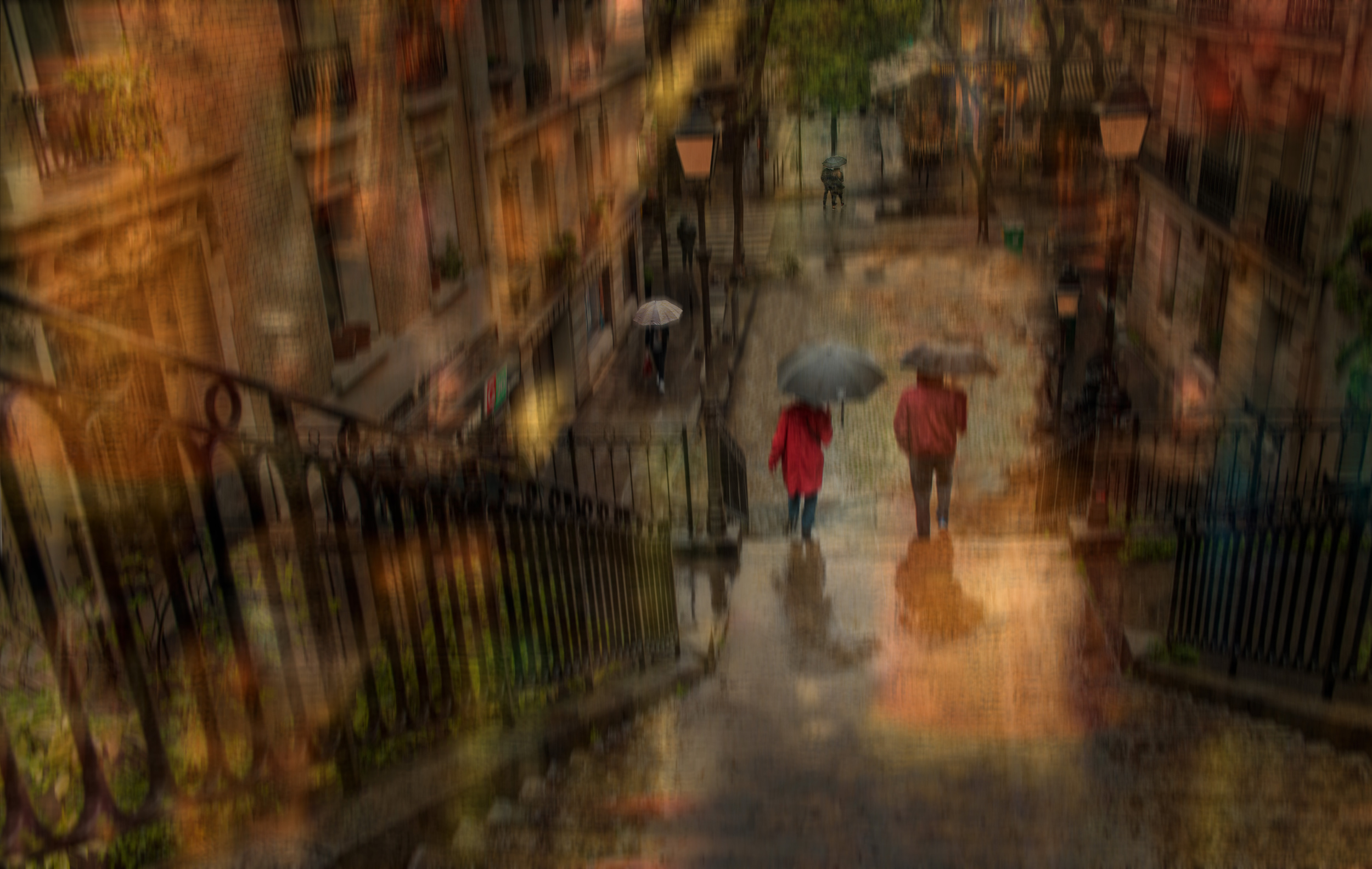
‘Rain in Paris’ by Anette Ohlendorf
The following suggestions may prove helpful for anyone looking to master the art of reflective photography.
Location
The key to successfully photographing reflections is to choose a location that offers ideal conditions. This involves finding the perfect spot from which to take the photograph and preparing to capture the reflections.
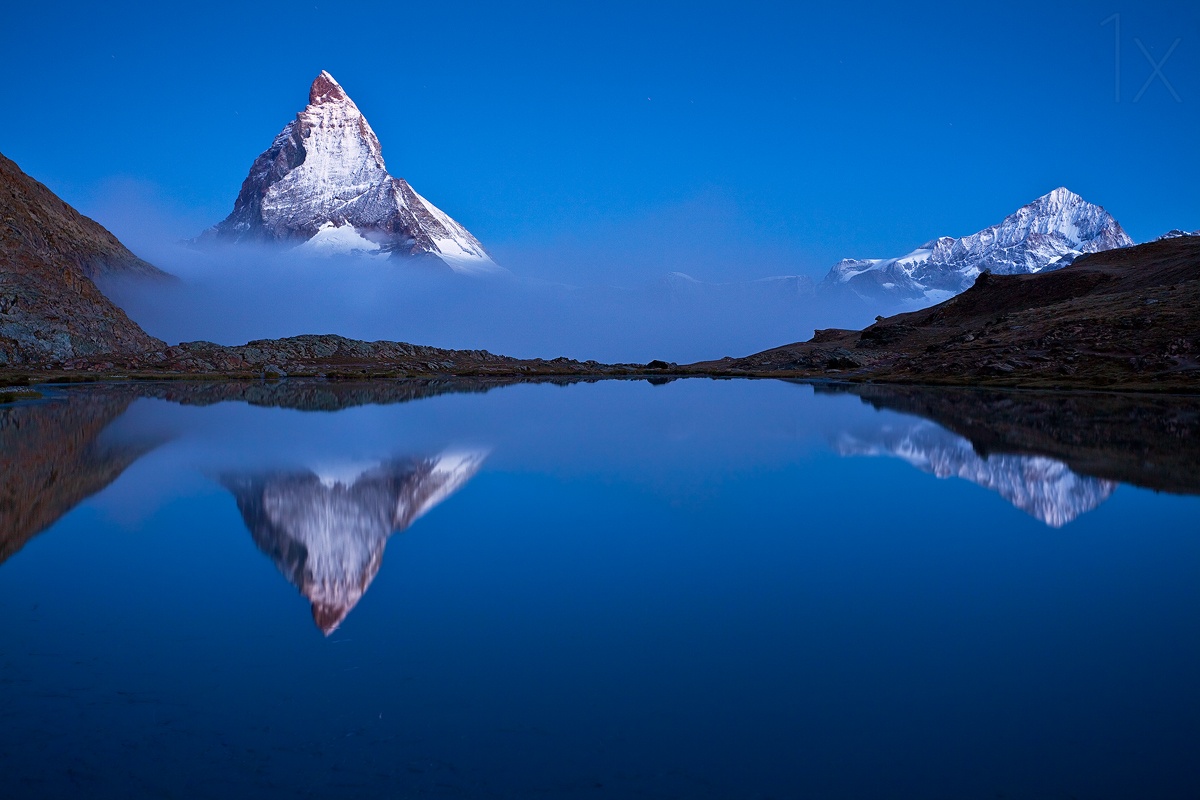
‘Night Mirror’ by Szabo Zsolt Andras
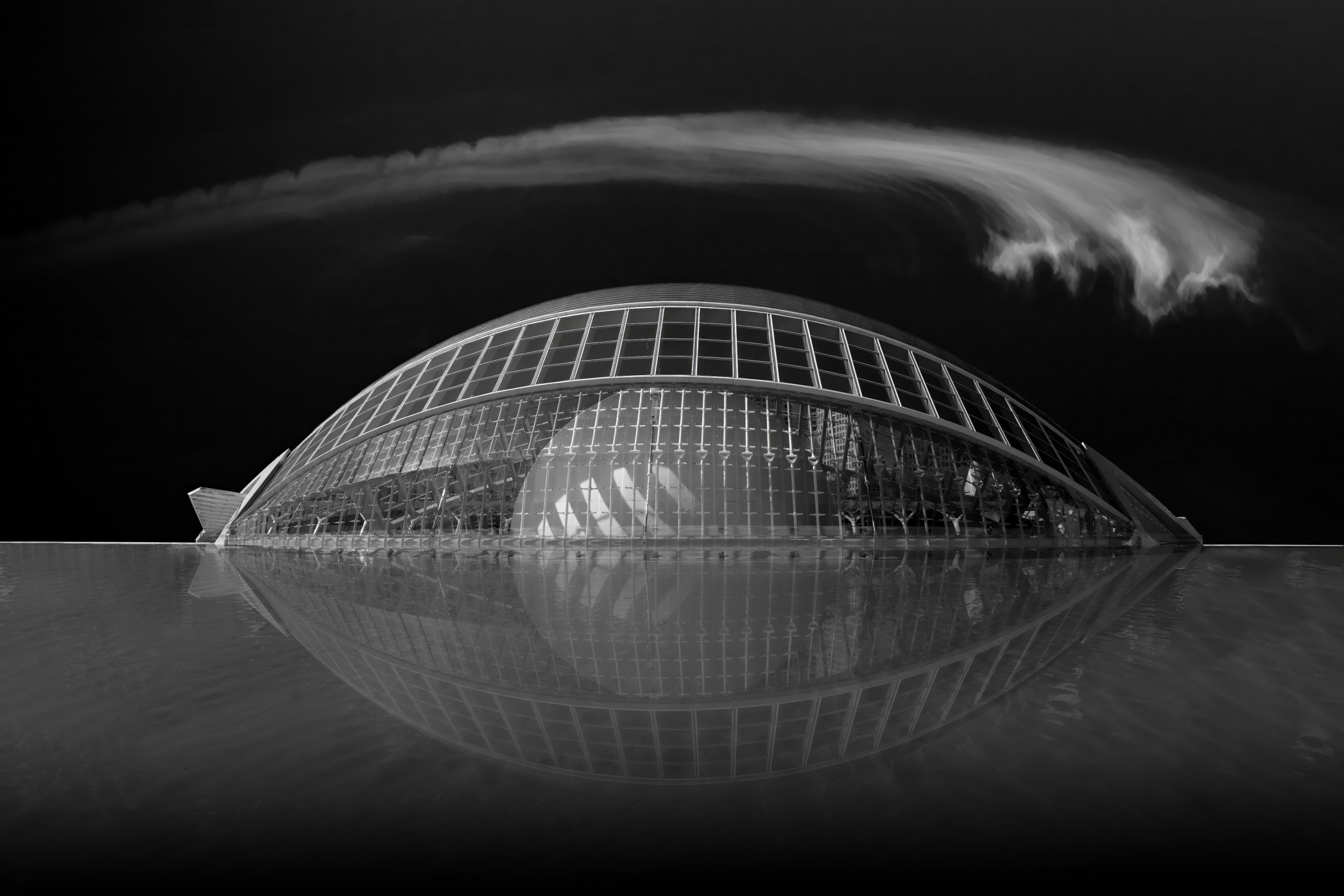
‘Hemispheric eye’ by Luc Vangindertael (laGrange)
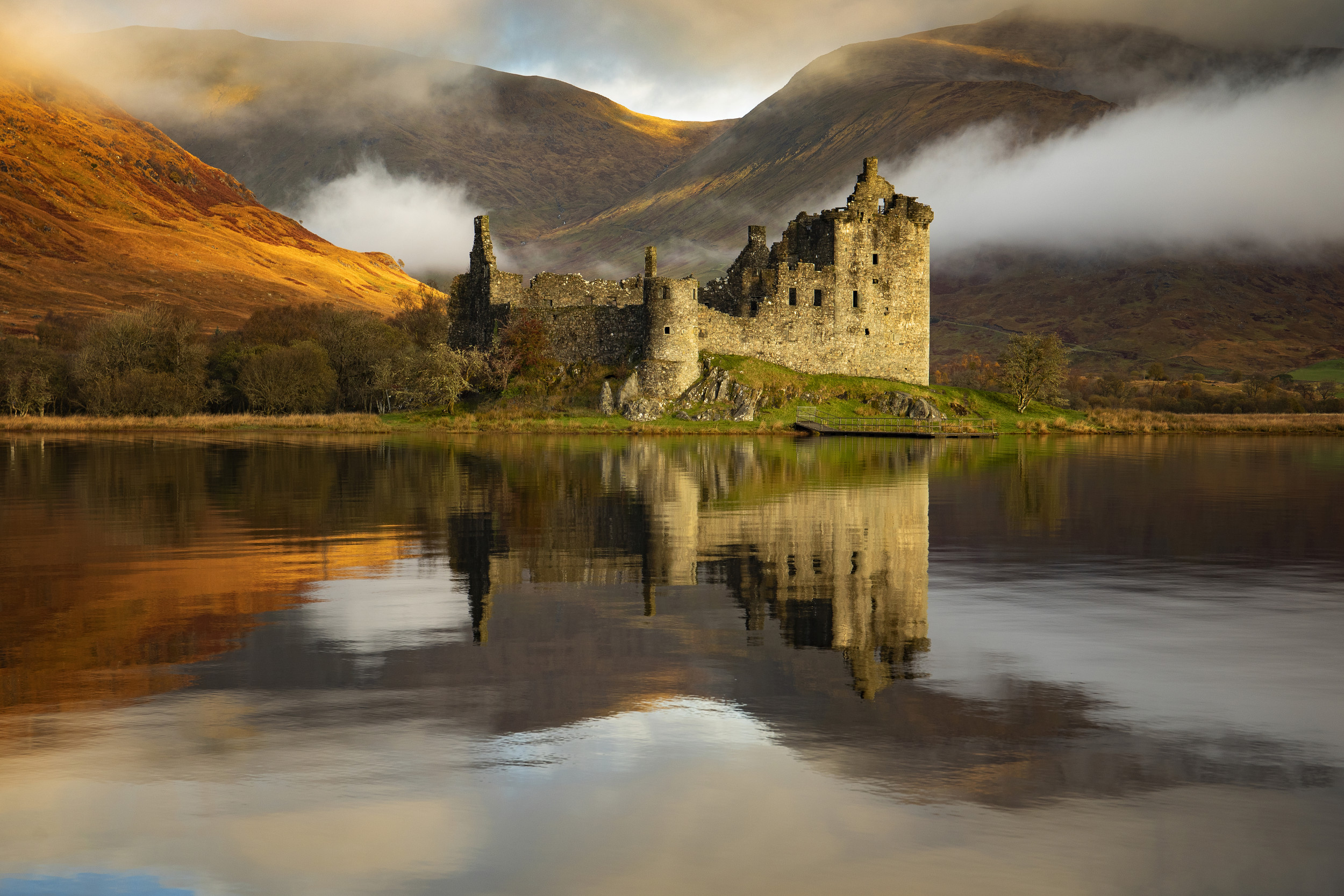
‘Kilchurn Castle’ by Daniel Springgay
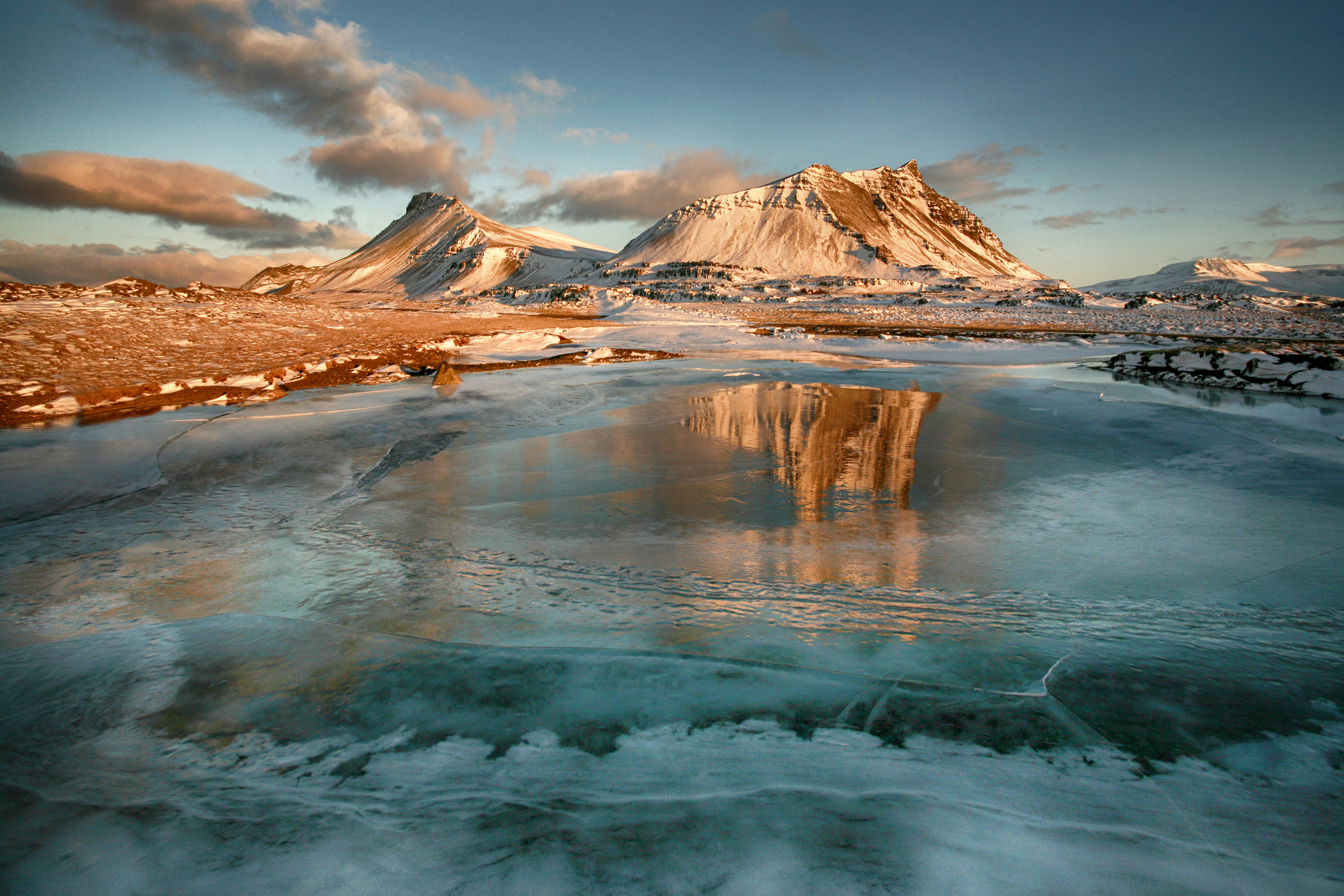
‘Reflection in Ice’ by Þorsteinn H. Ingibergsson
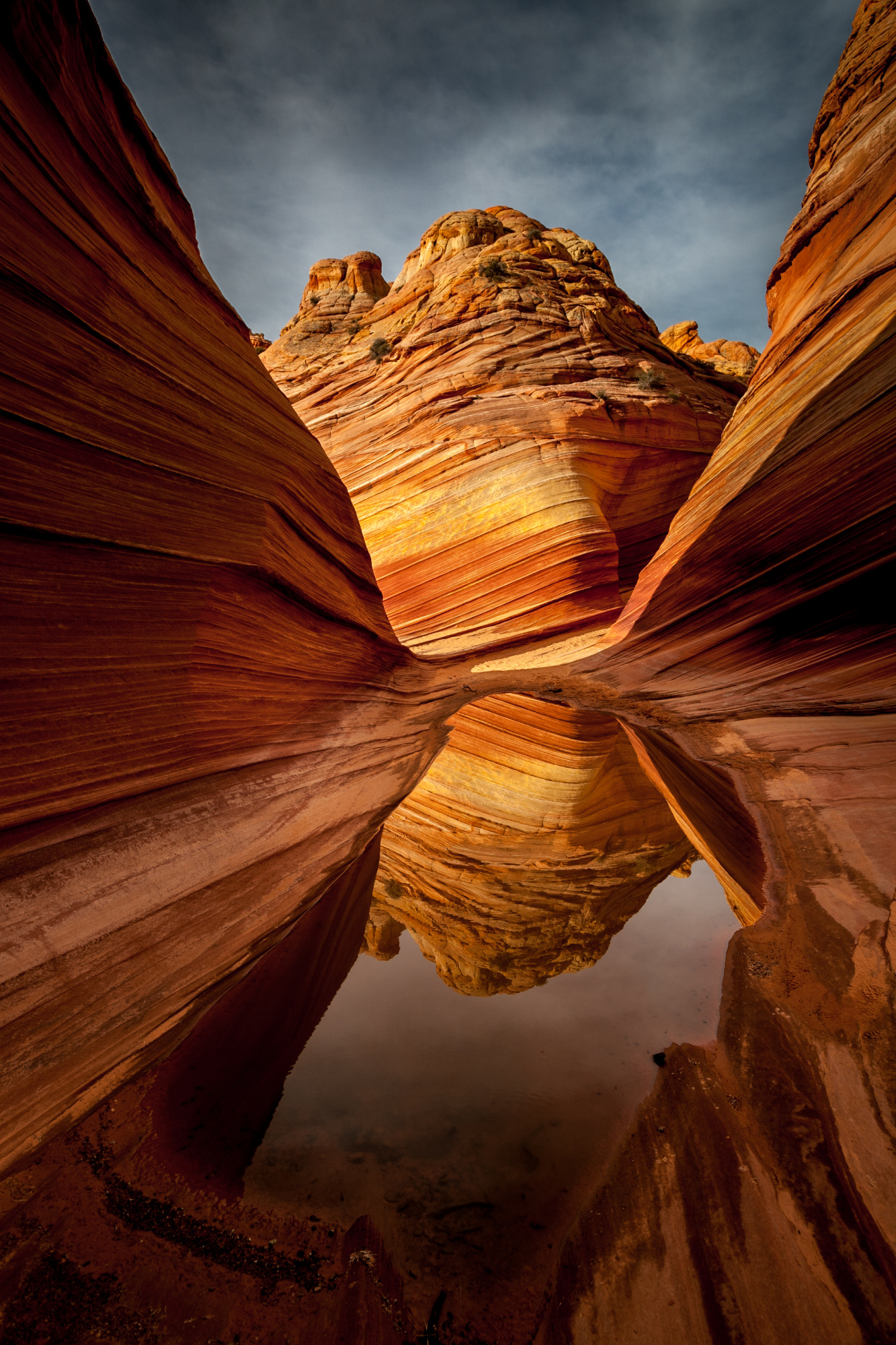
'Reflection - "Wave" area’ by Wanghan Li
Topic
Rather than focusing too much on finding the best reflective surface, remember that the subject should be the centre of attention in the photograph, not just its reflection. This is why the photographer should first decide on the main theme of the image. This could be a landscape feature, such as a bridge, mountains on the horizon or colourful city lights over the water. Alternatively, it could be something smaller, such as a single tree, a small island or a person.

'City mirror‘ by Roswitha Schleicher-Schwarz
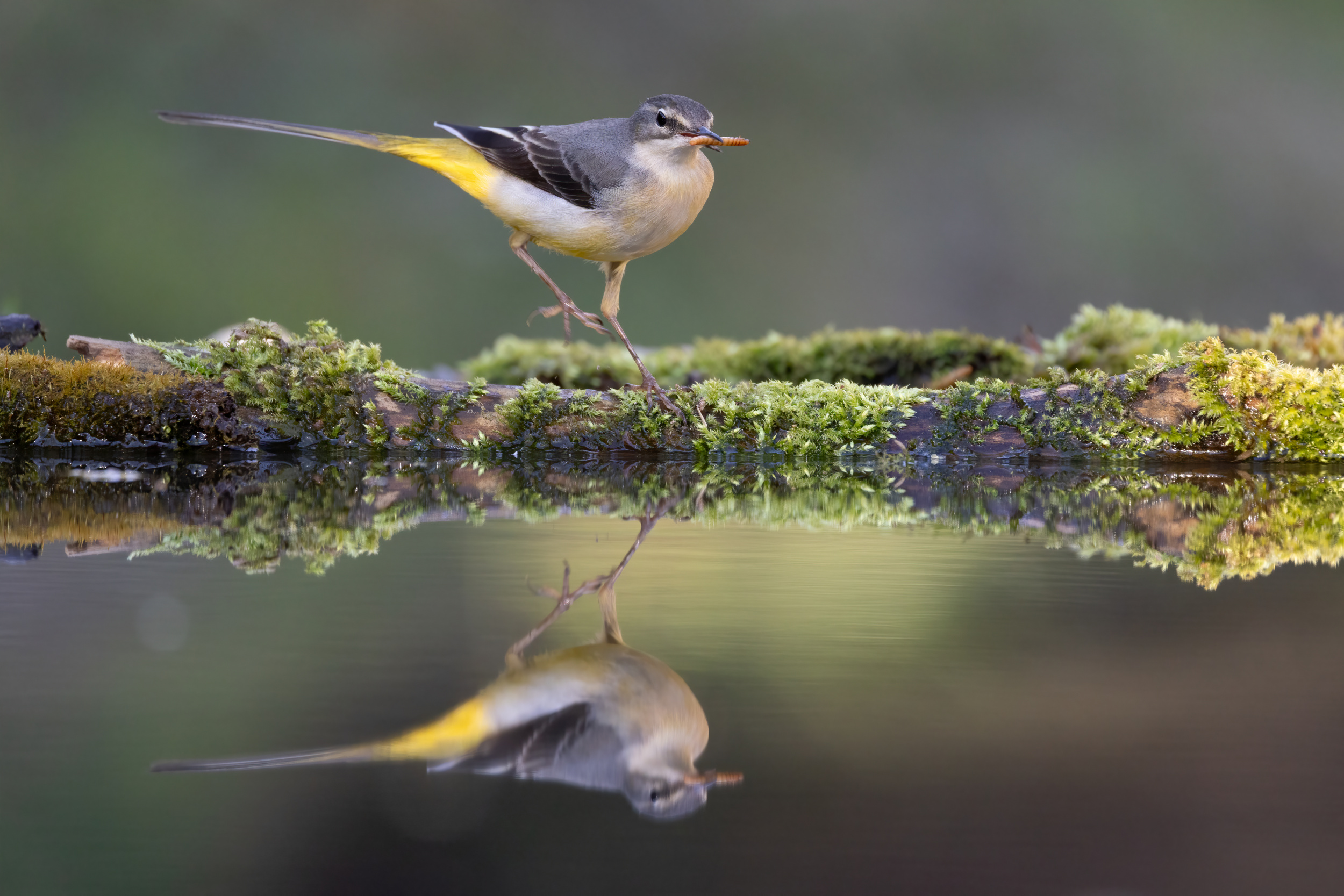
‘Grey Wagtail’ by Paolo Bolla
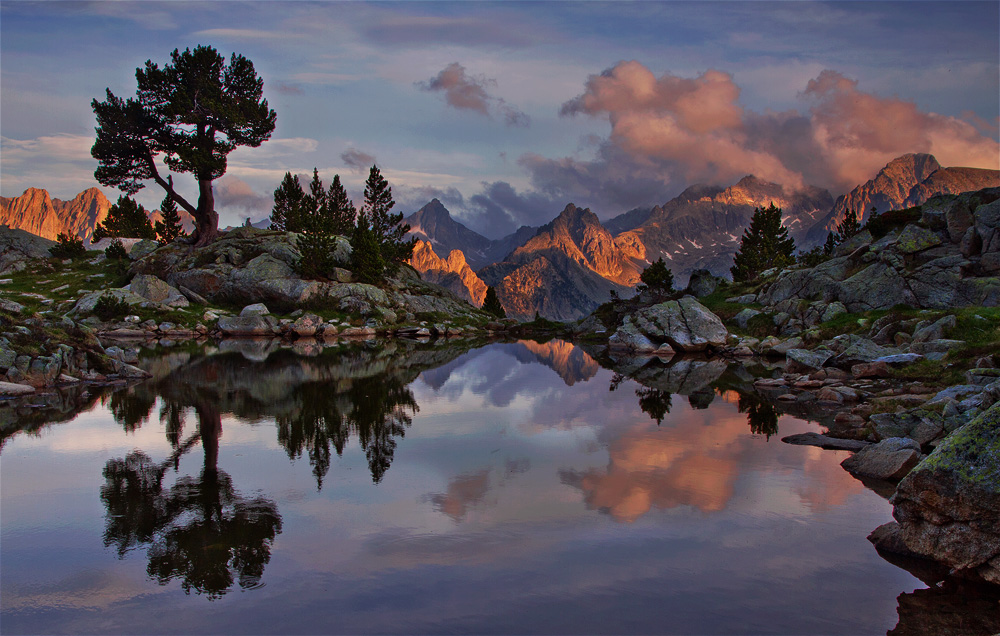
‘Reflections at Sunset’ by Joan Mercader Illera
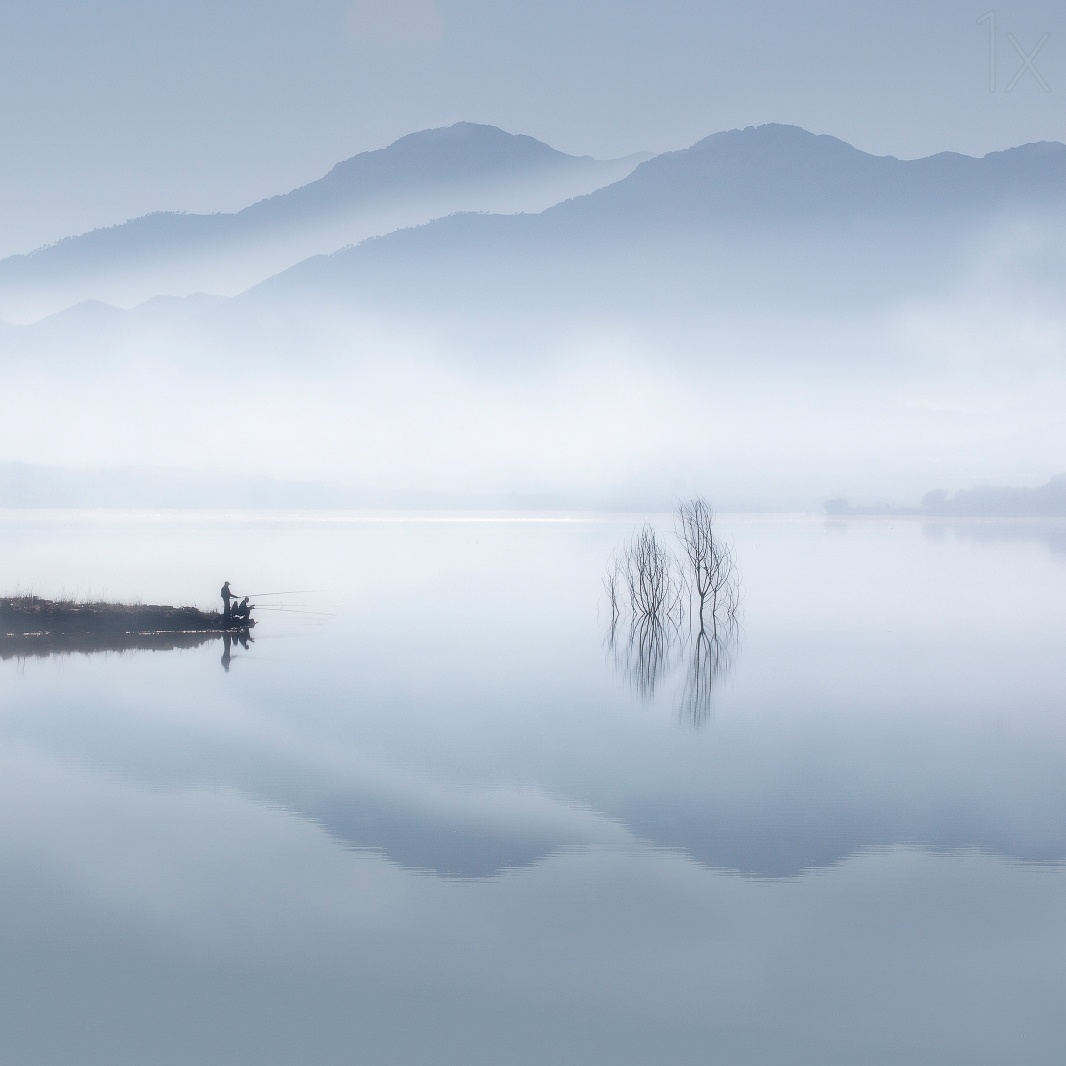
‘Blue Silence’ by Jose Beut
Composition
As with any other photo, a reflective motif benefits from careful composition. If the reflection is intended to complement the main subject, it should be positioned prominently within the frame and occupy as much of the image as possible. The landscape being reflected and the reflection itself must form a unified whole, together constituting the main motif. Therefore, neither should be pushed too close to the edge of the frame or cropped out; both should be captured in their entirety.
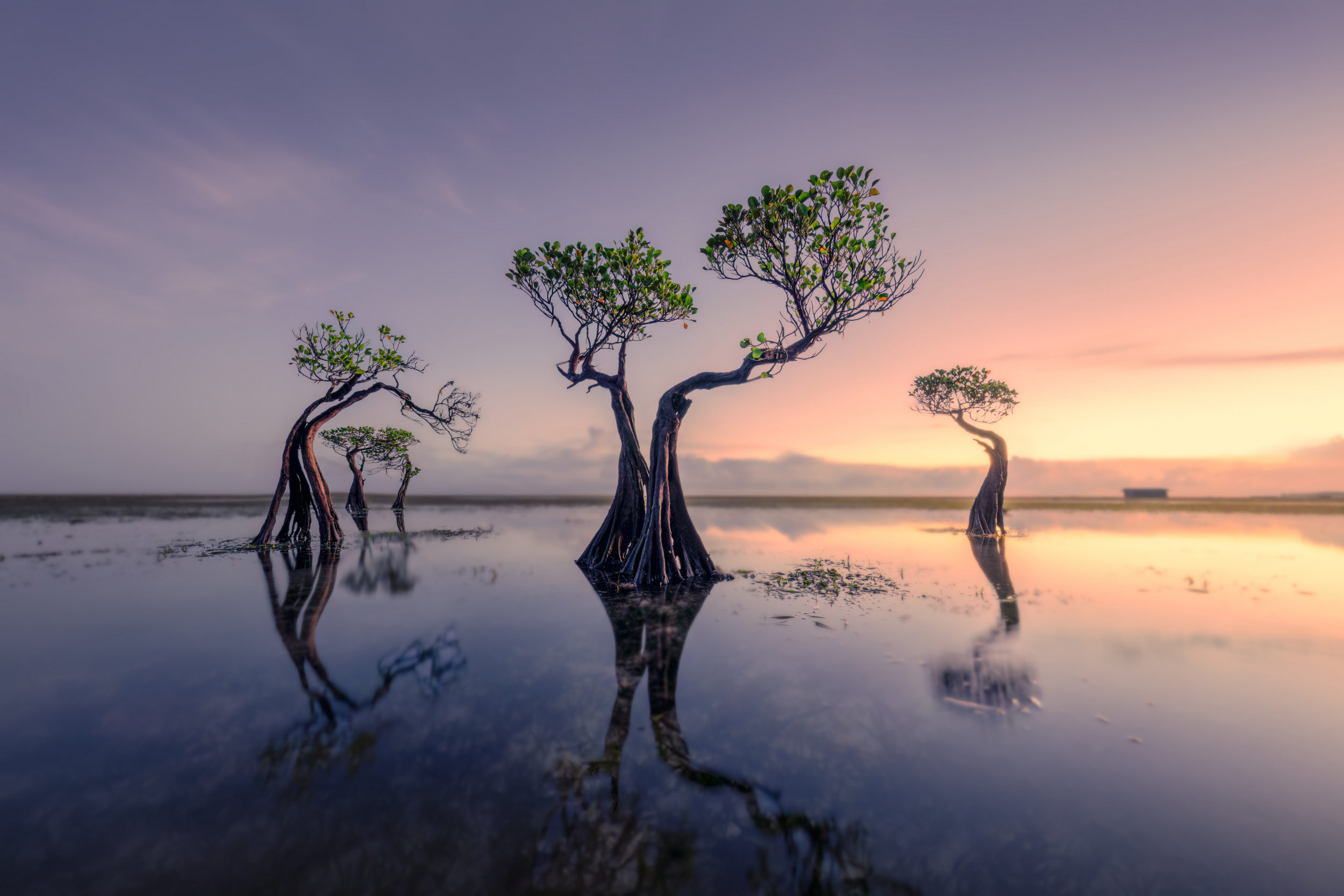
‘Dancing Trees 2’ by Cong Lin
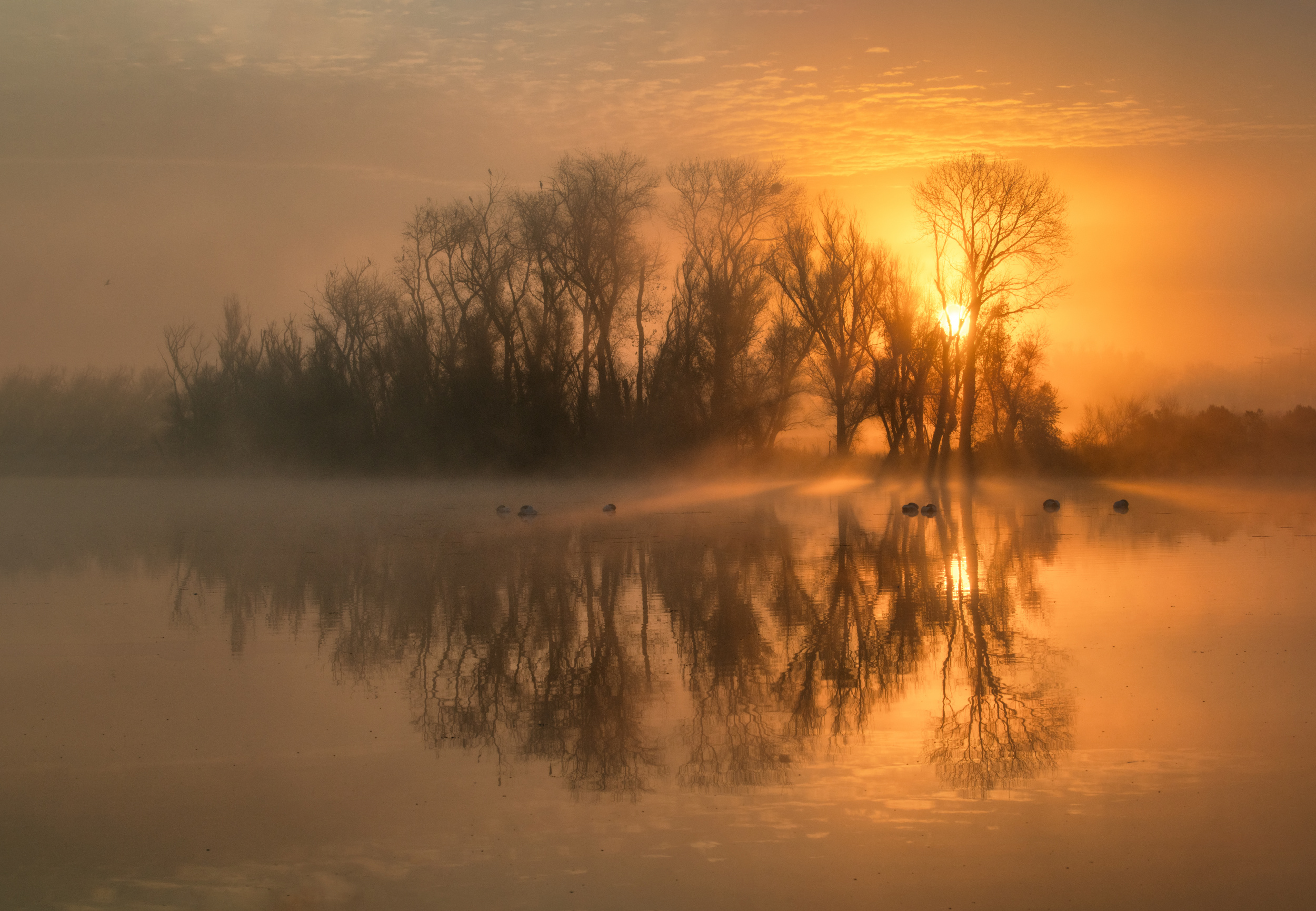
‘Golden Slient’ by Dianne Mao
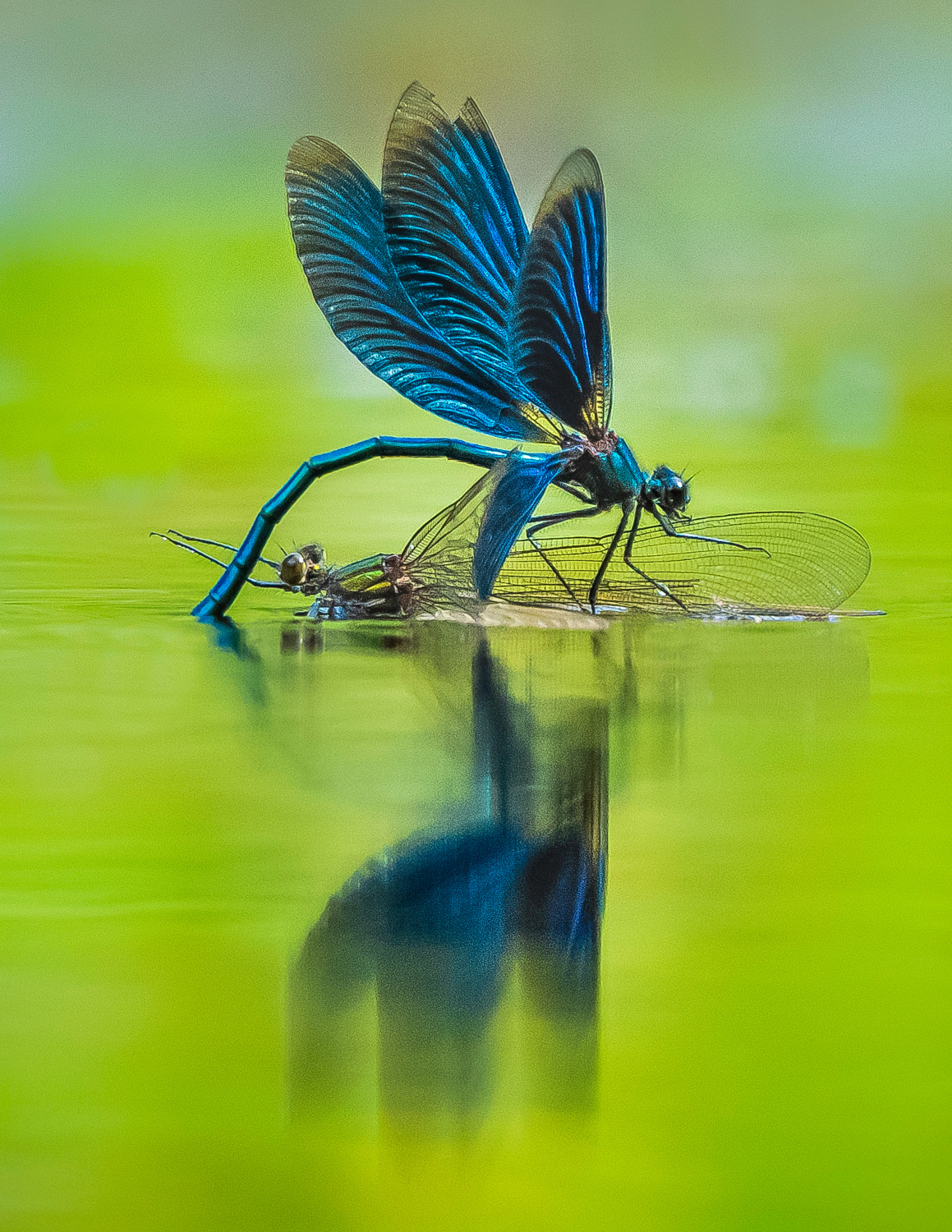
‘Reflection’ by The Jar – Geir Jartveit
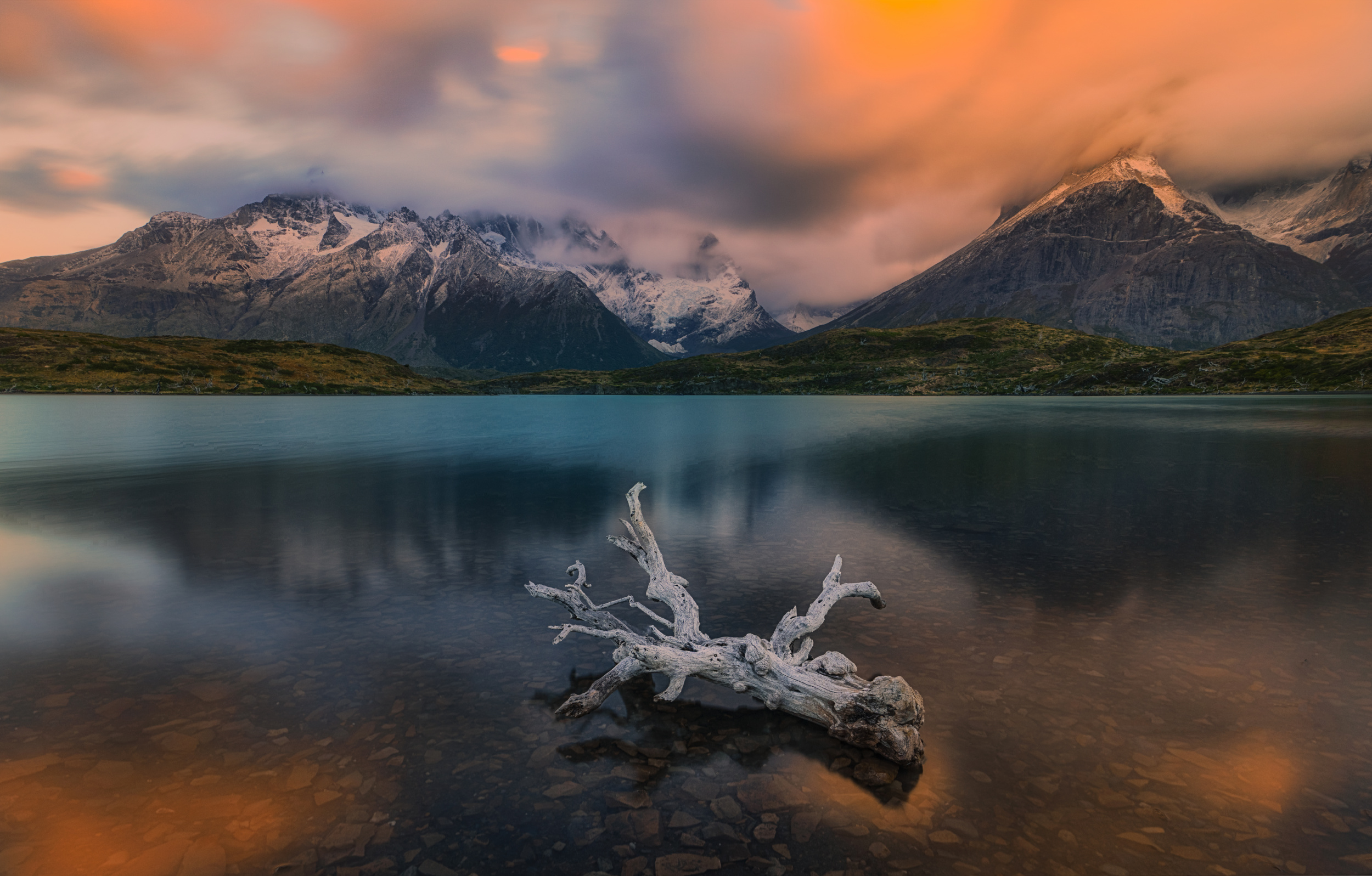
‘Bright Sunrise at Lake Pehoe’ by Lydia Jacobs
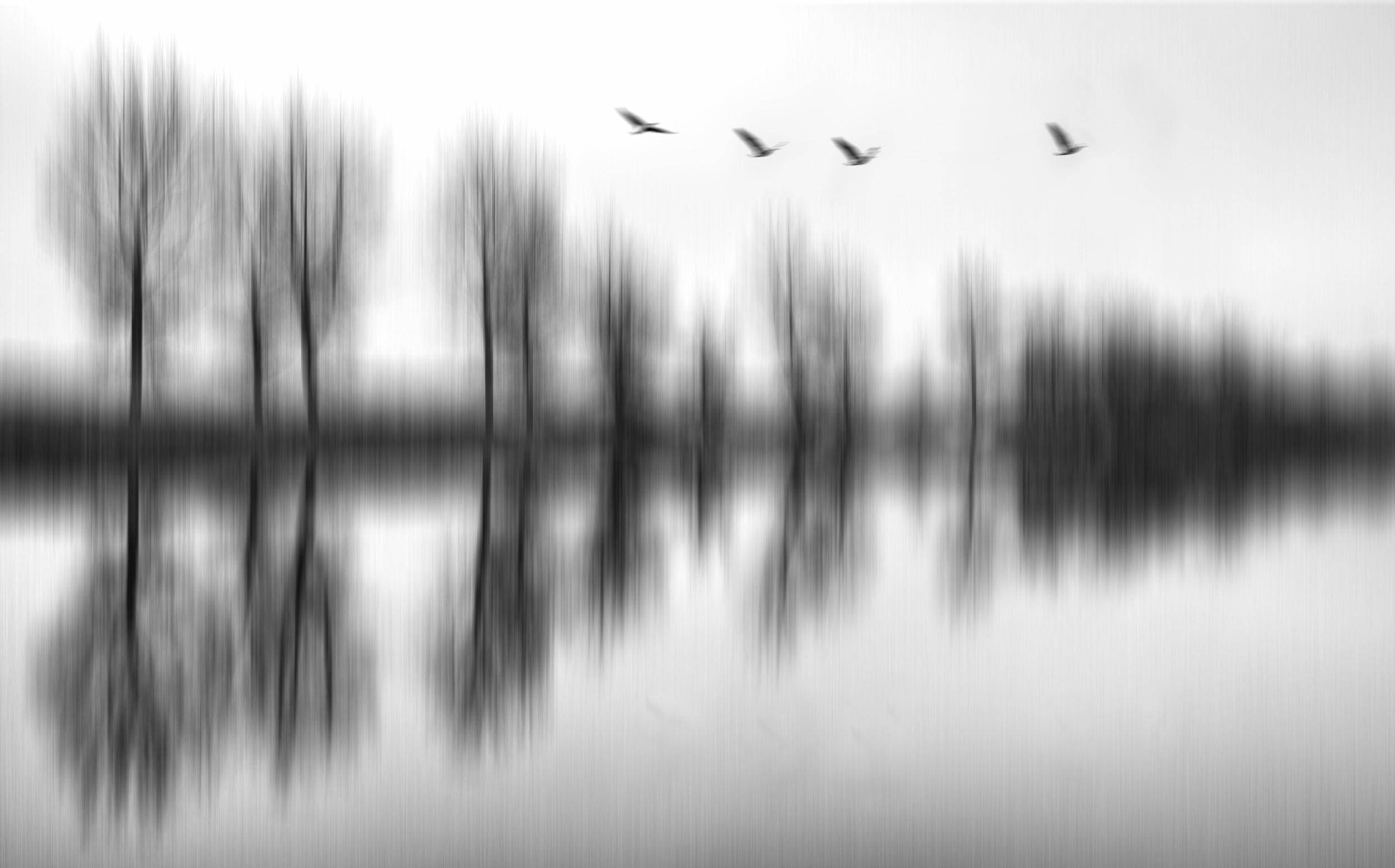
‘Autumn Weather, Autumn Mood’ by Yvette Depaepe
Reflective Surface
As mentioned earlier, there are many reflective surfaces all around. Whether it is a body of water or a polished surface. Even small reflective objects, such as sunglasses or a glass of wine, can make for a great reflective surface.
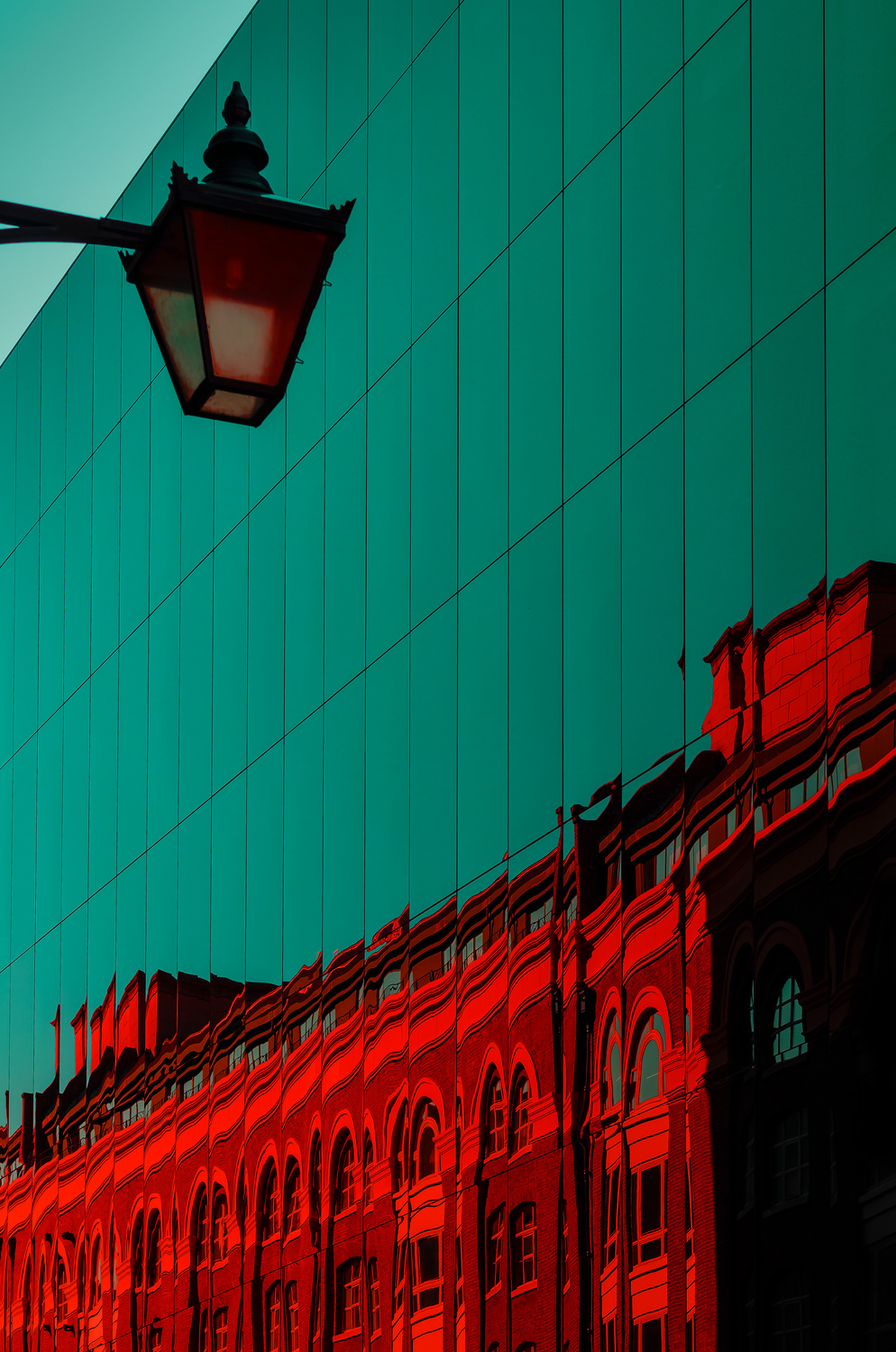
‘A light at the window’ by Chris Hamilton

‘Reflection’ by Vasil Nanev

‘Motorbike’ by Miro Susta
Unwanted Objects
A key way to enhance the impact of reflective photography is to remove all distractions from the frame. By focusing solely on the subject and its reflection, dramatic effects can be achieved. This technique is particularly effective when using water to reflect the main subject while keeping the background blurred.
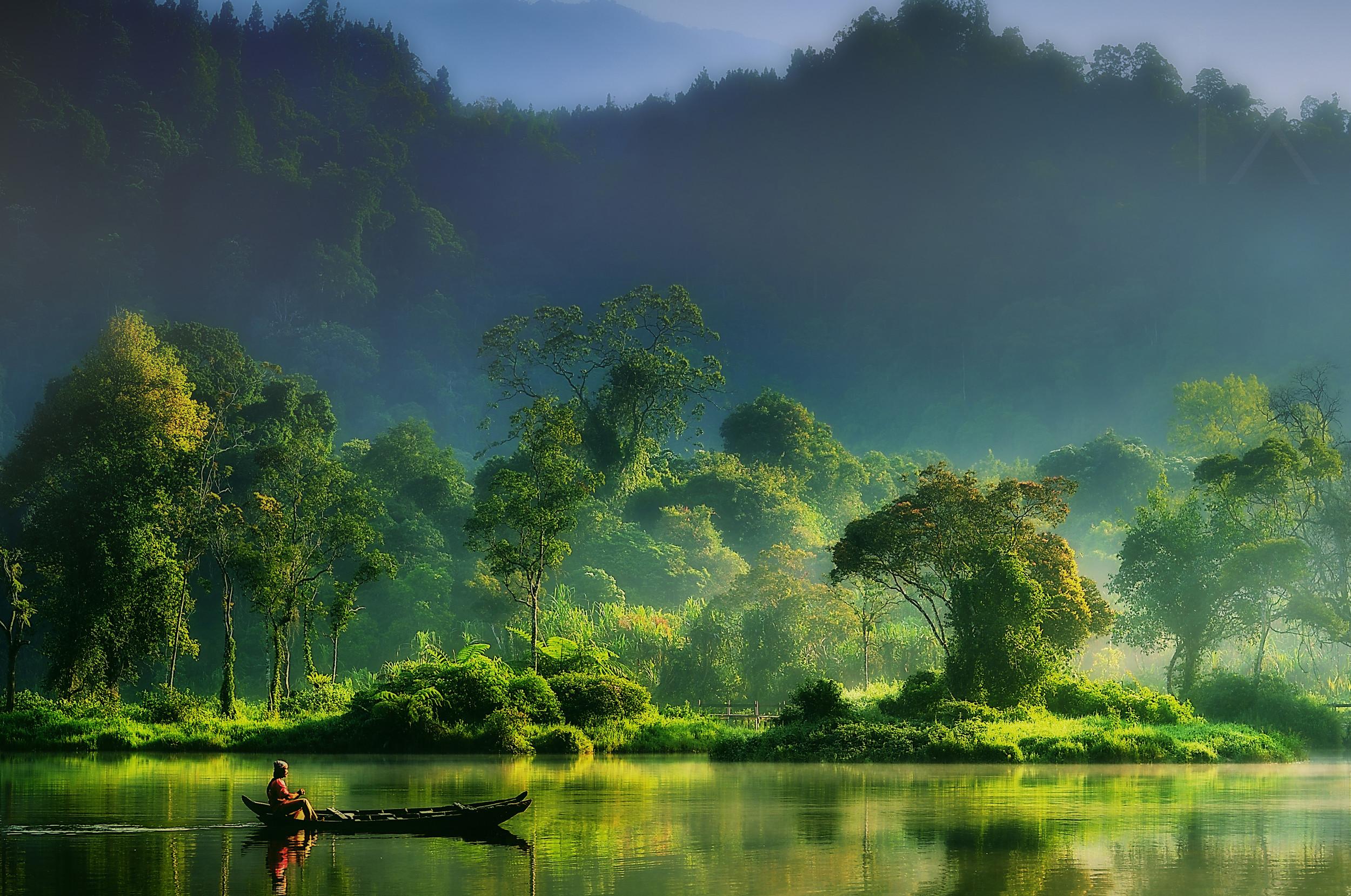
‘Painting of Nature’ by hardibudi
But reflective surfaces reflect everything—including the photographer him/herself if he/she is in the frame. No matter how beautiful the photo is, this small mistake can have a negative impact on the image if this unwanted reflection was not intended. Therefore, it is important to choose an angle that ensures such unwanted objects do not appear in the reflection.
Bright Sunlight
Strong sunlight can ruin an image, unless it is during sunrise or sunset. Intense daylight will most likely overpower the rest of the composition. When photographing outdoors and needing sunlight to illuminate the subject, it is important to use the correct angle to keep the sun properly placed in the frame.
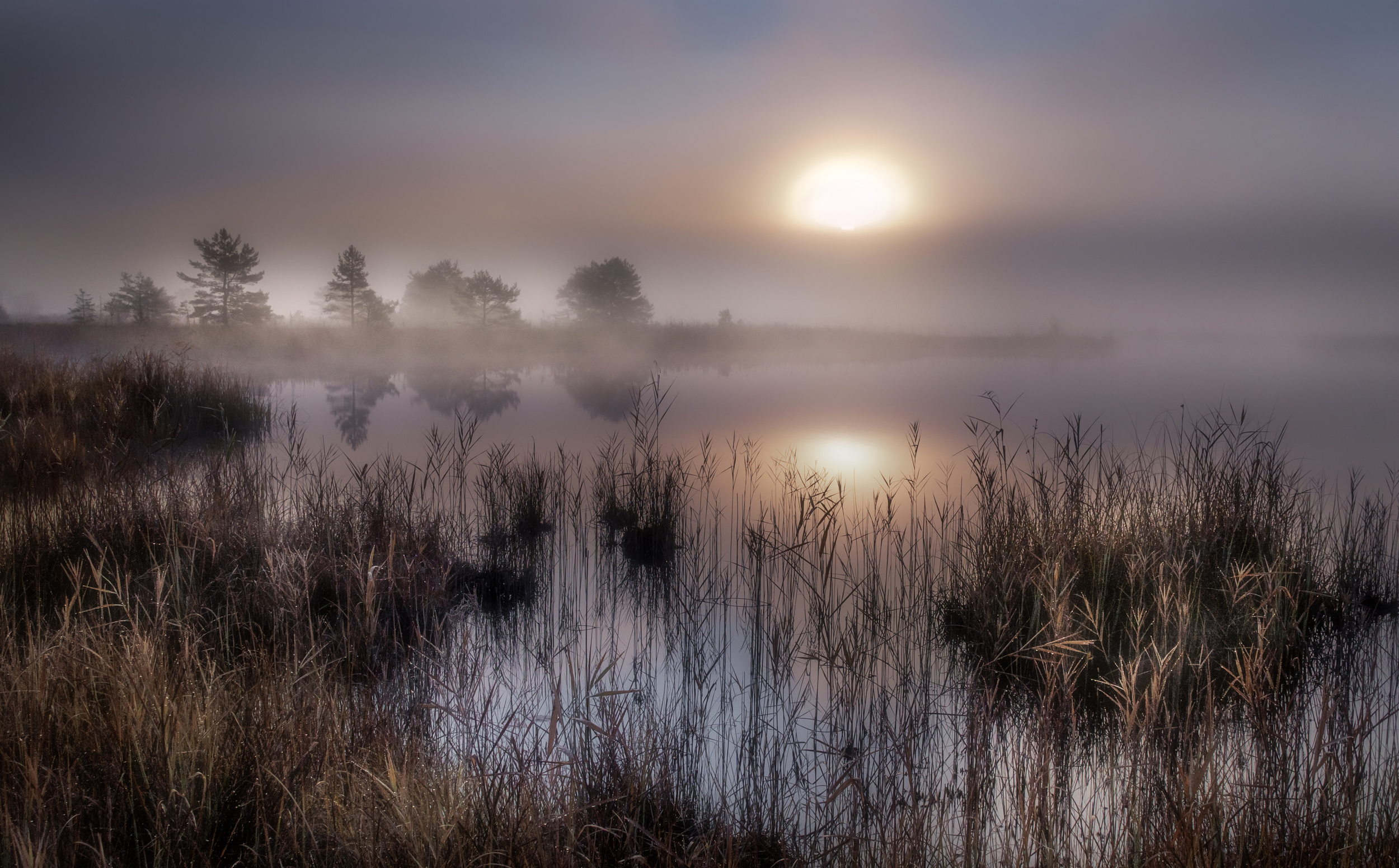
‘Autumn At the lake’ by Ulrike Eisenmann
Distortions
It is important not to focus solely on smooth, reflective surfaces. It is perfectly acceptable for the reflection of primary elements to be distorted by features such as waves or the wind's effect on the surface of the water. This can create an interesting effect in the foreground of a picture. Using distorted water as a reflective surface, for example, can create breathtaking effects in long-exposure photography. Long exposures create diffuse reflections that give the image a dreamlike quality.
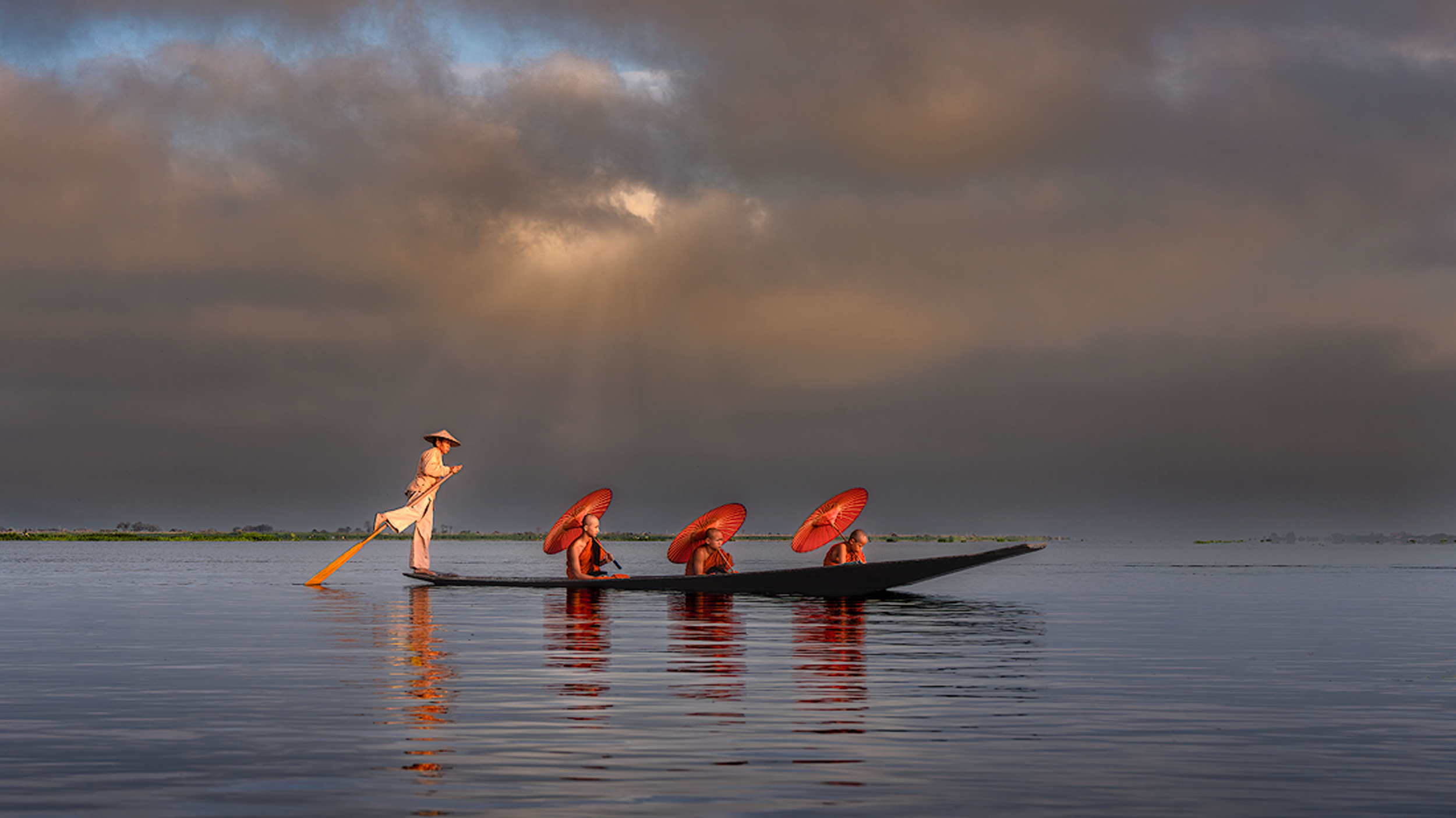
‘Inle Lake’ by Nantapon P
Close-up photos
When taking photos, it is a good idea to position yourself close to reflective surfaces in order to highlight them in the composition.
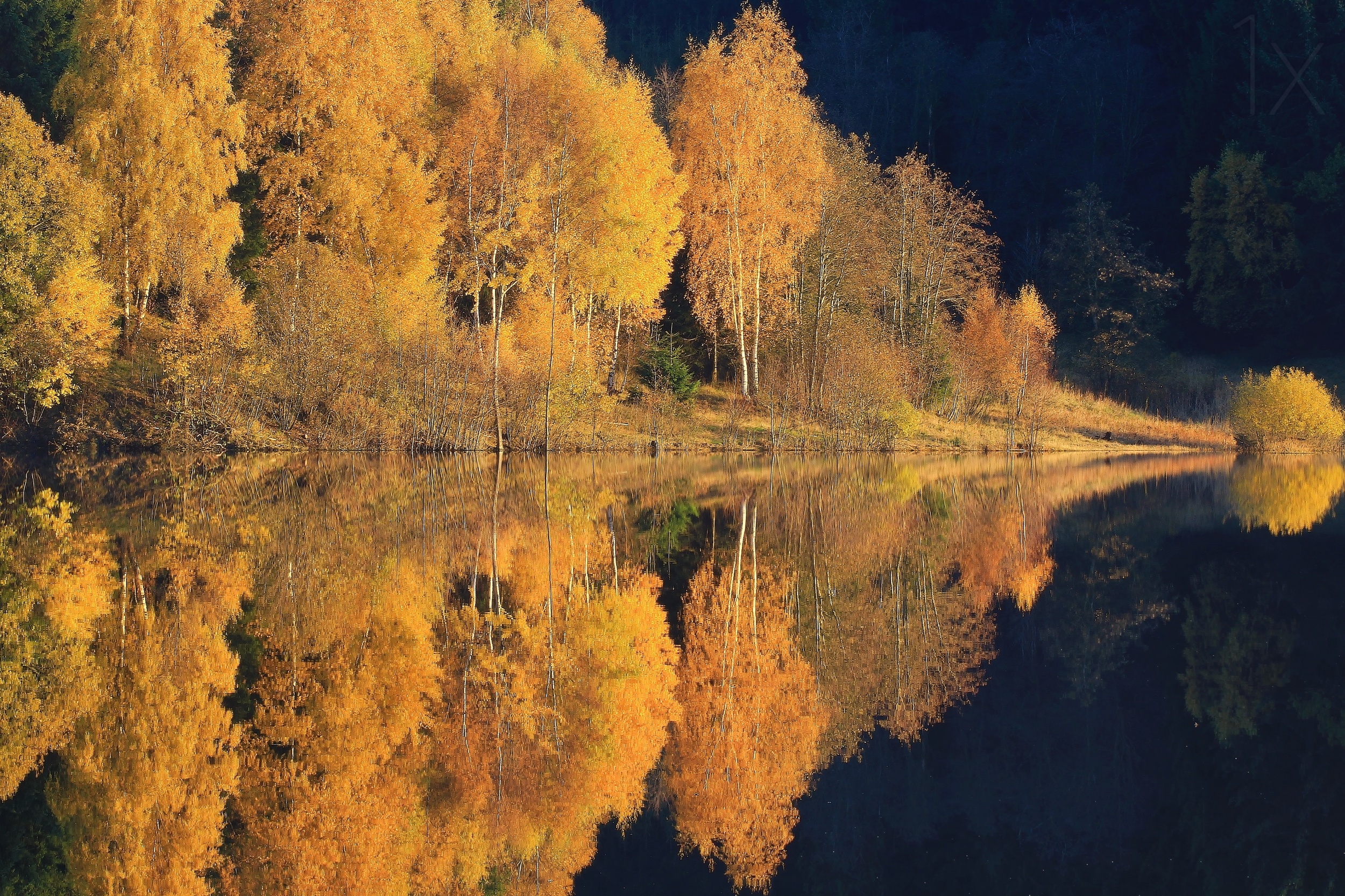
‘Autumn reflection’ by Udo Dittmann
Night
In photography, night-time reflections transform urban environments and landscapes into magical, often abstract works of art using artificial light. These reflections thrive on the contrast between light and dark, which can be seen in water, wet streets or glass surfaces.
When light hits water, particularly colourful reflections are created. Streetlights, lit windows and colourful houses produce vibrant reflections that refract in the water.
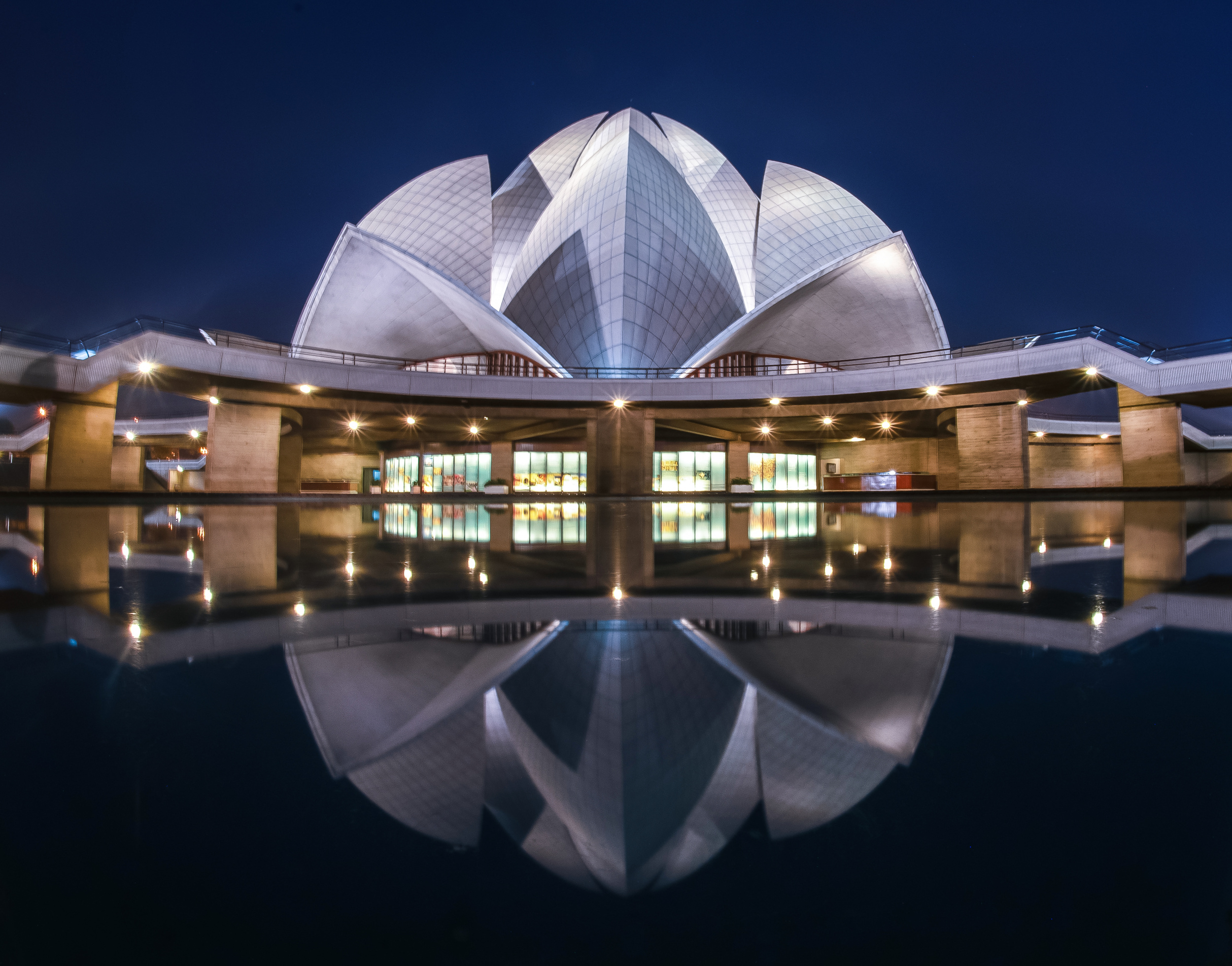
‘Jewel’ by Rana Jabeen
Reflections can open up new ways of seeing and composing images. They can bring depth, tension and excitement to photographs, offering a sense of visual depth and emotion that can truly make them memorable.
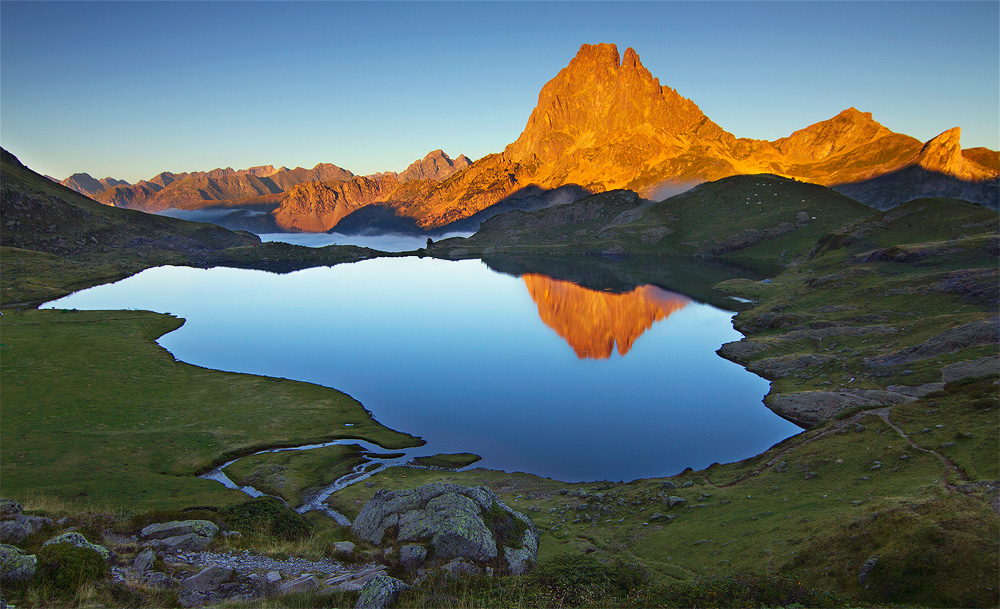
‘Sunset’ by Joan Mercader Illera
Stories can be told, emotions evoked and the magic of reflections woven into the art of photography through the masterful use of light, perspective and symbolism. The result is photos with a unique character.
www.mrsphoto.net
[email protected]
 | Write |
 | Roswitha Schleicher-Schwarz PRO Thank you so much for this fine article and the selection showing the variety of the theme, Miro and Yvette. |
 | Wayne Pearson PRO Stunning reflective photographs from everyone involved, congratulations! |
 | Daniel Springgay CREW Wow Miro and Yvette Amazing blend of wonderful images so well put together well done. |
 | Allan Wallberg PRO Nice collection of pictures, and thanks for including one of mine as well. |
 | Ugur Erkmen PRO Nice reflections! Thanks for sharing. |
 | Chris Hamilton PRO Great reflections and different ideas thanks for the insight, |
 | yein PRO It's impressive to see the reflection in the water |
 | Arnon Orbach CREW Many thanks dear Yvette and Miro for your reflections article and the accompanying images, love this very rich and intriguing subject. Thanks for including my image in this beautiful galley, highly appreciated. |
 | Andreas Agazzi PRO Awesome selection indeed, thanks so much Miro and Yvette for your ever ongoing support and contribution! |
 | Vasil Nanev PRO Thank you for the nice article and for having my photo chosen in it! |